
You’re not the only one who has ever been driving along, minding your own business. When all of a sudden a brilliant ‘Check Engine’ light flashes on your dashboard. Particularly when it’s accompanied by a mysterious P0155 code. This tiny warning light frequently creates fear and bewilderment. But do not worry; we are here to decipher this code’s secret most straightforwardly.
Table of Contents
What Is A P0155 Code In A Car?
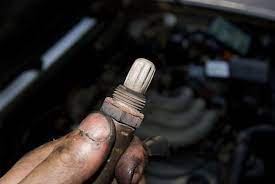
The Engine Control Module (ECM), the onboard computer in your automobile, generates the P0155 error code when it suspects that the oxygen sensor in the exhaust system of your car may be malfunctioning. More specifically, it refers to the oxygen sensor, also known as the “Bank 2 Sensor 1” sensor, which is placed after the catalytic converter. This sensor is essential for tracking the amount of oxygen present in exhaust gases.
How Does Oxygen Sensor Matter?
Simply explained, the oxygen sensor monitors the exhaust gases that are released from your car’s engine like a vigilant watchman. It is in charge of determining the oxygen content of the exhaust and relaying that information to the ECM. The engine must use this information to modify the fuel-to-air ratio in order to ensure optimal combustion and lower hazardous emissions.

Explain The Symptoms Of Error Code P0155
A P0155 error code in a car acts as a warning from the computerised brain of the vehicle that the oxygen sensor may not be functioning properly. The car uses this sensor to determine how much oxygen is present in the exhaust gases leaving the engine. The car may begin to exhibit several symptoms when this sensor isn’t functioning properly. Let me describe those indicators to you:
1. Bad Smell And Smoke:
Have you ever noticed how occasionally cars might have a rotten egg-like odour? The car may emit more of that odour if the oxygen sensor isn’t working properly. Additionally, there may be additional smoke coming from the car’s exhaust pipe towards the back.

2. Poor Fuel Efficiency:
Picture having a magic straw that made juice flow more quickly. The oxygen sensor for the car works somewhat similarly. It makes the car’s fuel usage more economical. However, if something is broken, the vehicle may use more fuel than is necessary to travel the same distance.

3. Check Engine Light:
You’re familiar with the tiny engine-shaped light on your dashboard, right? That light might turn on if the oxygen sensor is performing strangely. The car is basically saying, “Hey, something’s not quite right under the hood!”

4. Rough Idling:
Rough idling is the term for when you are sitting in a car that is not moving and it seems jerky and jumpy. When you’re not driving, the car may feel as though it’s having a small shake party if the oxygen sensor is malfunctioning.

5. Car Trouble:
The car may occasionally have trouble starting if the oxygen sensor isn’t operating correctly. It appears as though the vehicle is expressing, “I don’t feel well enough to wake up right now.”

6. Lack Of Power:
Picture yourself riding a bicycle and finding it suddenly much more difficult to ride. Similar things take place when the oxygen sensor isn’t functioning properly. The car might not seem to be as powerful as you had imagined.

So keep in mind that a P0155 code in a car is similar to a warning that the oxygen sensor might be having issues. Adults should take their cars to a mechanic to be looked at and fixed if they exhibit these symptoms.
Common Causes Of P0155 Error Code
Usually, the P0155 code appears when the faulty oxygen sensor fails to give the ECM correct readings. Many things that can cause this to occur:
1. Faulty Sensor:
Inaccurate readings are caused by a faulty sensor. Over time, oxygen sensors may deteriorate or become polluted.
2. Wiring Problems:
Damaged or frayed wires that link the sensor to the ECM may interfere with communication and result in the appearance of the code.

3. Leaks In The Exhaust System:
Any leaks that occur before the oxygen sensor might supply more oxygen to the exhaust stream and alter the sensor’s results.

4. Engine Difficulties:
The performance of the oxygen sensor might be indirectly impacted by issues with the engine, such as a misfire or a vacuum leak.

Can I Drive If I Have A P0155 Code?
Even though the P0155 code and its related codes P0161 and P0167 have no immediate physical symptoms, it is nevertheless not advised to drive your car when they occur. This is due to the fact that by driving the automobile while it is still in open-loop mode and without the correct air-to-fuel mixture ratio, you run the danger of causing more harm to your car. This is why we advise that as soon as the P0155 code arises, you take your car to a certified mechanic so they can thoroughly inspect it.
What Should You Do To Fix The Error Code?
Don’t panic, first of all. Although the P0155 error code typically doesn’t signify an immediate problem, it’s still crucial to fix it to make sure your automobile operates effectively and complies with pollution regulations. The steps are as follows:
1. Check Connections:
Verify that the oxygen sensor’s wiring and connections are in good shape and firmly fastened.

2. Leak Checks:
Have a qualified mechanic check your exhaust system for any leaks that might be impacting the accuracy of the sensor.
3. Replace The Sensor:
Replacing the sensor is frequently the best option if it is actually defective or has reached the end of its lifespan (which normally happens after a certain mileage).

4. Professional Diagnosis:
If you’re unclear of the P0155 code’s underlying cause, it’s advisable to speak with a qualified mechanic or service technician who has the right diagnostic equipment.

Repairing Cost To Fix The Code
A P0155 is a signal from an oxygen sensor in a car that is similar to a “sick” signal. It makes the car more efficient. It can cost between $50 and $200 to fix. A mechanic (car doctor) can examine and replace the sensor to improve the automobile’s performance and comfort.
Conclusion:
In conclusion, although the P0155 code initially appears alarming, it is really only your car’s way of alerting you to a problem with the oxygen sensor located after the catalytic converter. Your car will continue to run effectively and contribute to a little bit cleaner environment if you take care of the problem right away.
Now, that we’ve covered all the aspects of your query. We hope the above-mentioned information will be helpful to all the viewers. Additionally, if anyone faces any doubts feel free to contact us. Thank you for reading!